How do you close multiple registers cleanly across a busy store each night?
Bring many drawers together into one clear end-of-day picture.
Close each register on the same guided routine so every drawer is counted, reconciled, and logged the same way. Keep the counts separate to preserve per-drawer accountability, then roll the results into one nightly total. Standardizing the process across registers keeps a multi-till close consistent, traceable, and quick even during heavy nights.
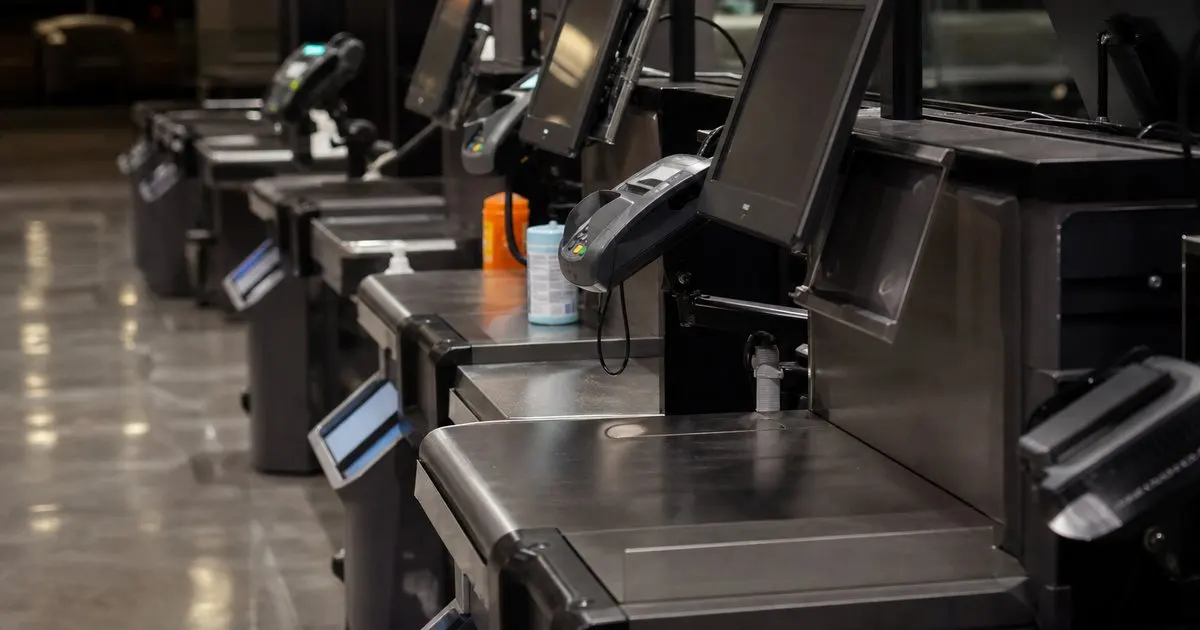
Many drawers, one day total
A busy store runs several registers, and each has to close correctly before the day can. Skipping a careful per-drawer close hides where a gap lives.
Rolling every drawer into one day total gives the manager a single number to trust. Related: How do you run a guided cash drawer count that is right every time?
Keep reading: How do you run a guided cash drawer count that is right every time?, How do you track over and short by cashier to find real problems?, How do you reconcile the till at end of day without a long headache?. See how TillClosr helps you cash drawer counts and end-of-day till reconciliation.
Close each drawer on its own
Each register should be counted and reconciled individually, tied to its cashier. That isolation is what lets you find a discrepancy's source. Related: How do you track over and short by cashier to find real problems?
A clean per-drawer close means a store-wide gap can be traced to the exact register.
Consolidate the results
After each drawer closes, the totals combine into the day's cash, expected, and variance. One consolidated view beats juggling separate slips. Related: How do you set the right starting cash bank for a drawer each shift?
That rollup is where a multi-register close either stays clear or turns into a paper mess.
One deposit trail
However many registers there are, the day should end with one clear deposit record tying back to the closes. That single trail keeps the money accountable. Related: Why should you keep an accurate deposit log for every bank drop made?
A unified deposit log means the busiest store still has a clean path from drawers to bank.
- Many drawers roll into one total
- Close each drawer individually
- Consolidate into one day view
- End with one clear deposit trail

Julien Jimenez
Julien Jimenez is an independent software builder based in Paris. He designs, ships, and operates focused SaaS products for small businesses and independent professionals. Read the full author page.
Frequently asked questions
Should each register be counted separately?
Yes. Counting drawers individually keeps each cashier accountable for their own variance. Combining them first hides which register was over or short, making problems much harder to trace.
How do you keep multiple closes consistent?
Use the same guided steps and expected-cash logic for every drawer, and log each one the same way. Standard routines mean any employee closes any register identically, night after night.
Close Every Drawer Right The First Time
Cash drawer counts and end-of-day till reconciliation. TillClosr is built to help you put this into practice.
Start free trialMore from the TillClosr blog

How do you run a guided cash drawer count that is right every time?

How do you track over and short by cashier to find real problems?

How do you reconcile the till at end of day without a long headache?
Get the TillClosr playbook
Practical guides on cash handling and close, straight to your inbox as we publish them. No spam, unsubscribe any time.