
Cash Handling and Close
How do you run a guided cash drawer count that is right every time?
Turn an error-prone chore into a fast, accurate routine.
Practical, honest advice from the team behind TillClosr, written to help you do this well.
Turn an error-prone chore into a fast, accurate routine.

Turn a vague discrepancy into a clear, per-person pattern you can act on.

Roll every drawer into one clean total that matches the books.

Close the trail from the drawer all the way to the bank.

Use a disciplined close to shrink losses you cannot otherwise see.
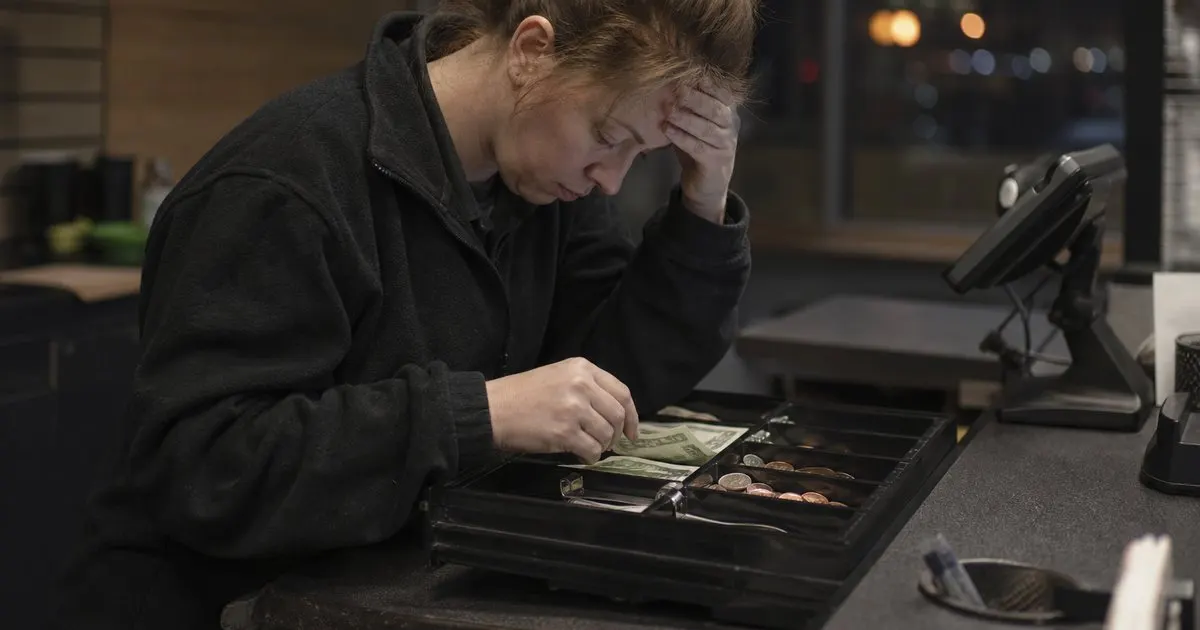
Get the drawer closed fast at the tired end of the night.
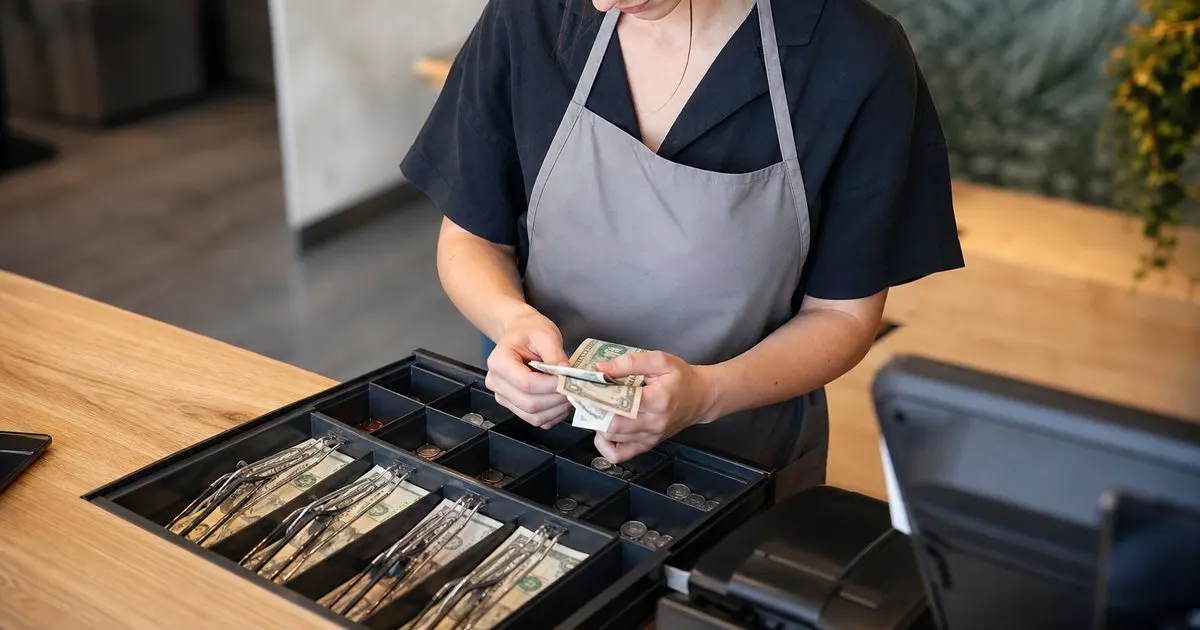
Get the opening bank right so change never runs short mid-rush.
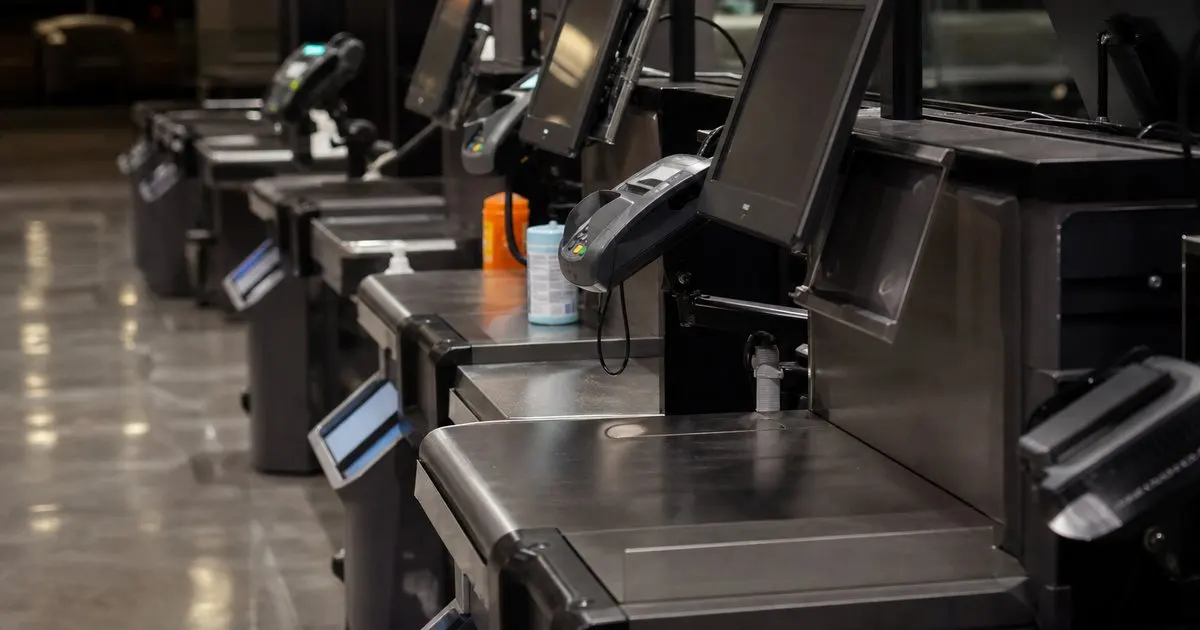
Bring many drawers together into one clear end-of-day picture.

See how a timestamped close record protects the business when questions come.
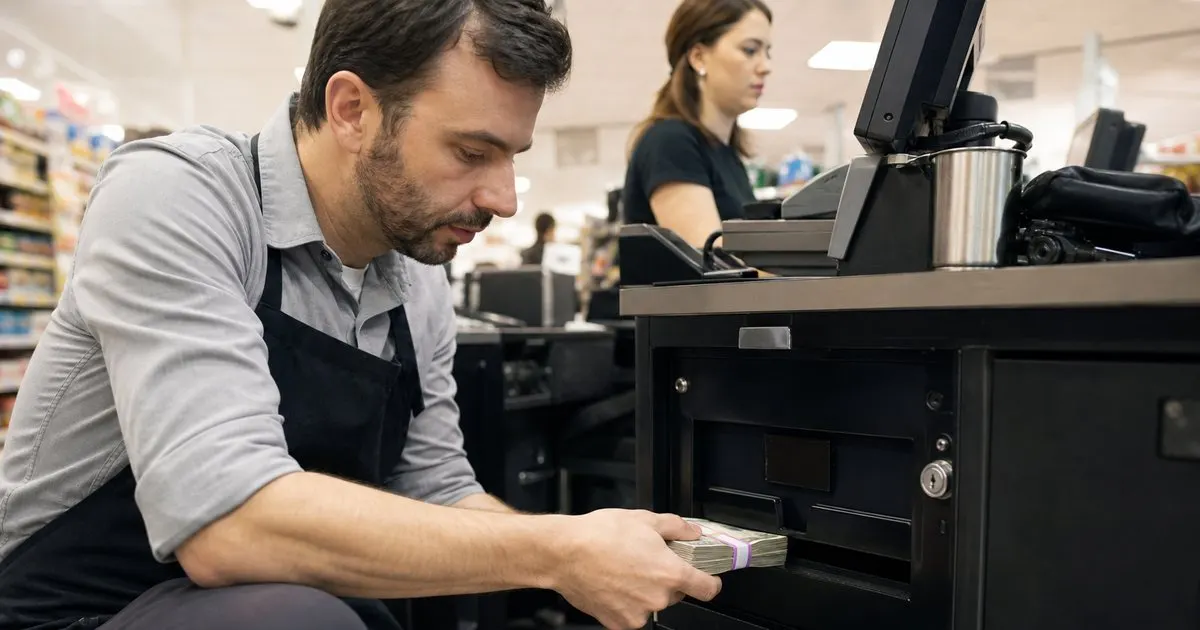
Leaving too much cash in a drawer invites loss and slows the close. Here is how to decide when to pull a drop, how much to take, and how to record it so the drawer still balances.
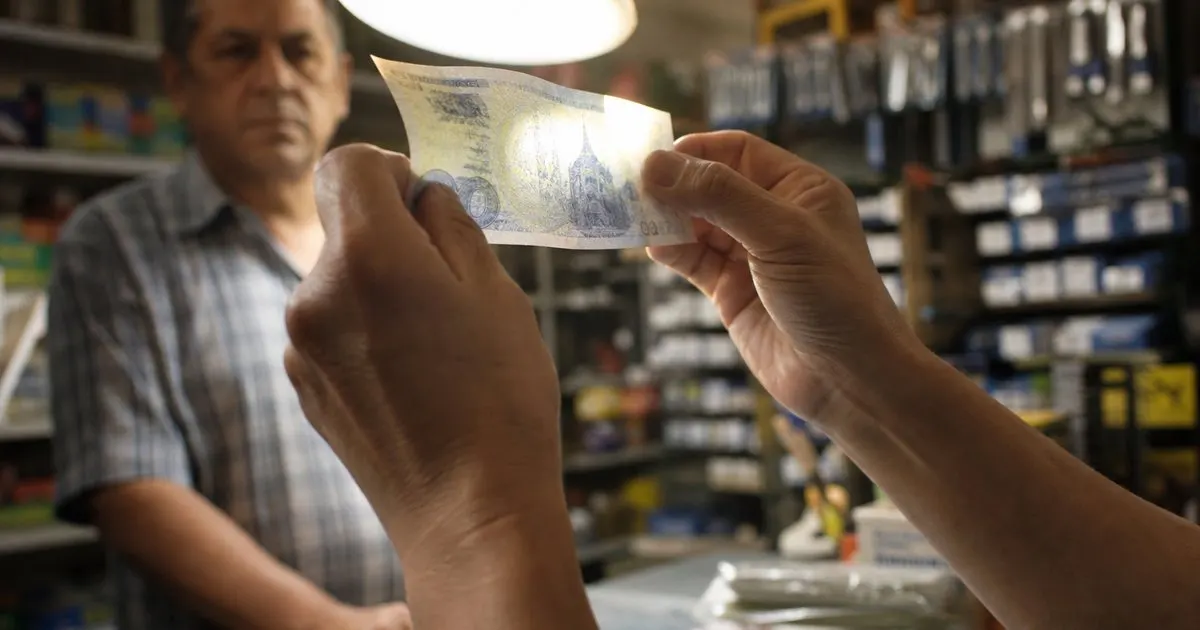
A questionable bill at the register is a customer service moment and a cash control moment at the same time. Here is a calm, lawful, and practical way to handle it.

Tips paid out of the drawer are the most common reason a restaurant register looks short when it is not. Here is a clean way to separate tip cash from sales cash.
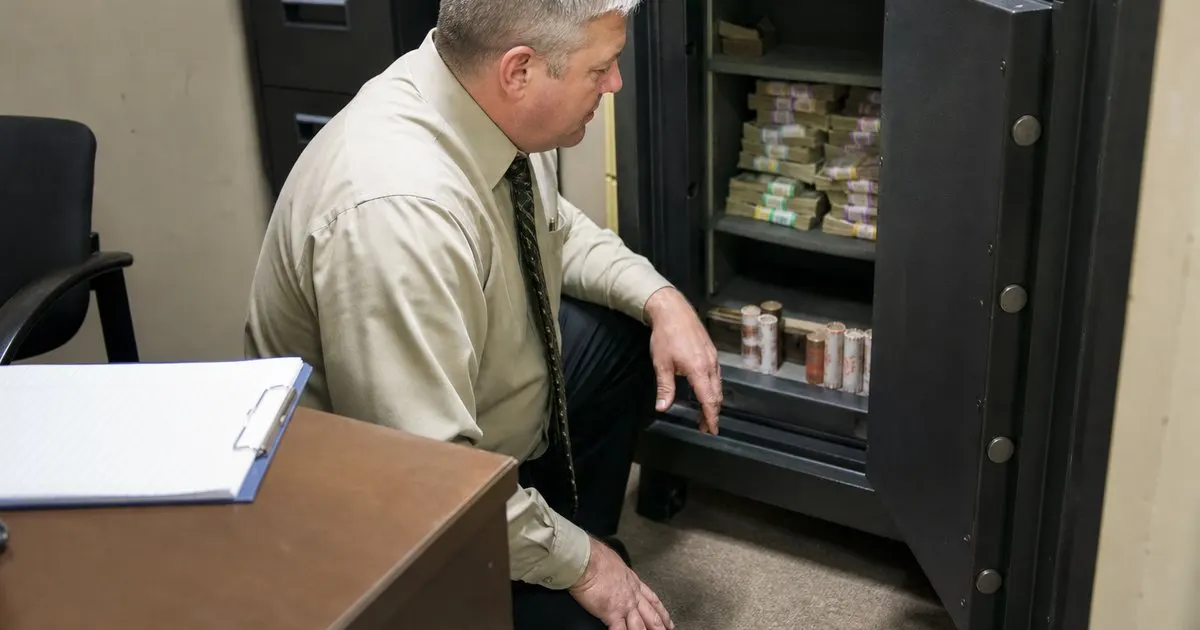
The safe is where drawer cash, drops, and deposits meet, and it is the part of the cash cycle most stores count least. Here is a sensible cadence and a method that keeps it short.

Paying a vendor, reimbursing a supply run, or refunding in cash all pull money from the drawer. Here is a paid-out process that keeps the close honest and the receipts findable.

Too little change and cashiers scramble; too much and cash sits idle in the safe. Here is a way to size a change order from your own drawer data instead of guessing.

Most drawer problems trace back to habits formed in a cashier's first few shifts. Here is a first-week plan that builds the right ones without overwhelming a new hire.

Not every over or short deserves an investigation, but some do. Here is how to set a threshold that separates noise from signal and what the review should look like.
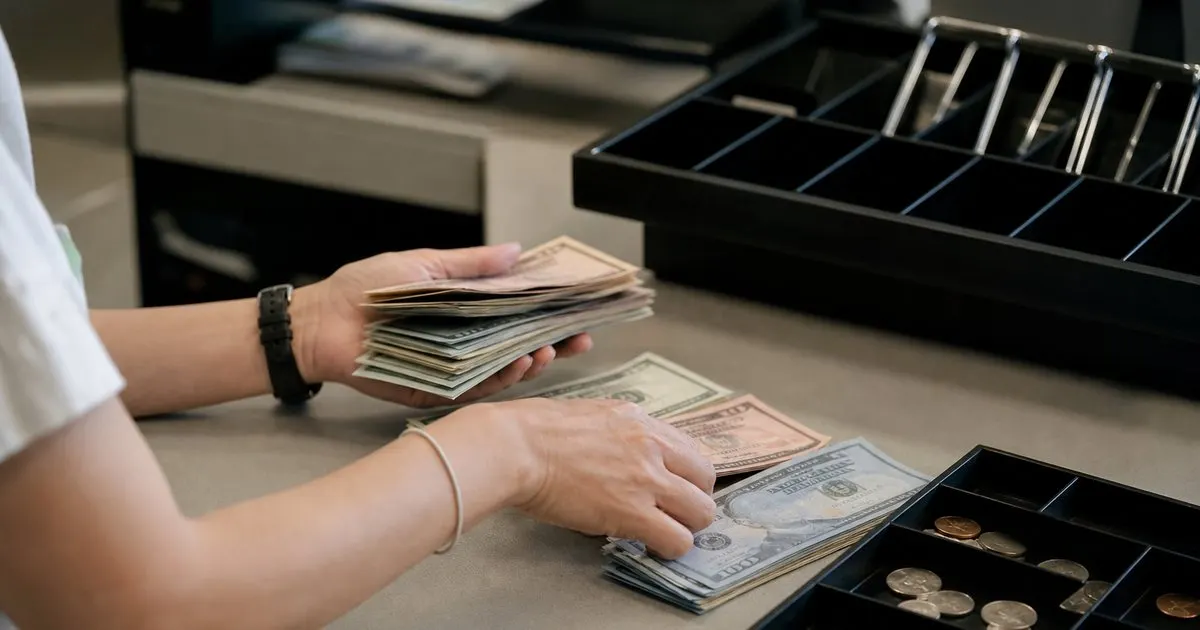
When a cashier sees the number the drawer is supposed to hit, the count quietly becomes a search for that number. Here is why blind counts work and how to run them without slowing the close.

An outage takes away the one number a cash close depends on, the expected total. Here is how to rebuild it with a baseline count, numbered manual slips and a controlled restart.

A bank adjustment notice is not proof of theft and it is not something to ignore. Here is the order of operations that protects the cash, the record and the employee.