How do you speed up the closing cash count without sacrificing accuracy?
Get the drawer closed fast at the tired end of the night.
Use a consistent routine and a guided tool that totals denominations and compares to the expected amount for you. Counting in the same order each time builds speed, while the automatic math removes the slow, error-prone step. You finish faster precisely because the process, not mental arithmetic, guarantees the accuracy.
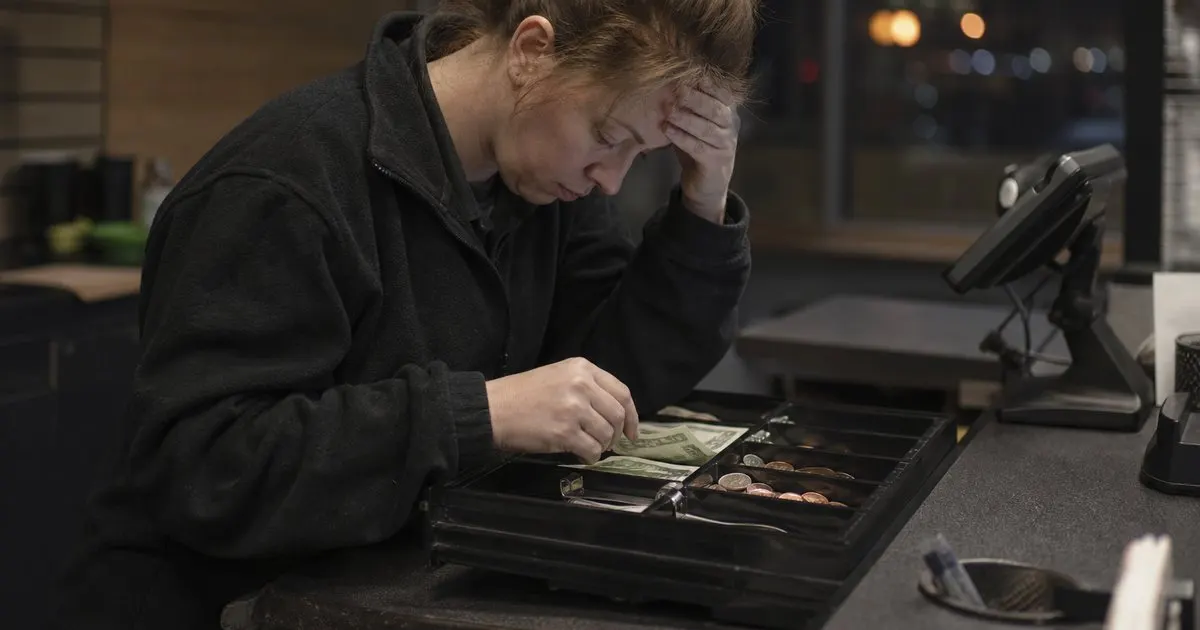
Speed and accuracy can coexist
The close feels slow because counting and math fight for a tired brain's attention. Remove the math and speed and accuracy stop competing.
A guided count handles the arithmetic, so the person just reports quantities quickly and correctly. Related: How do you run a guided cash drawer count that is right every time?
Keep reading: How do you run a guided cash drawer count that is right every time?, How do you track over and short by cashier to find real problems?, How do you reconcile the till at end of day without a long headache?. See how TillClosr helps you cash drawer counts and end-of-day till reconciliation.
Standardize the process
A close that follows the same steps every night becomes fast through familiarity. Improvising each time is what drags it out. Related: How do you close multiple registers cleanly across a busy store each night?
A standard sequence means the closer executes a known routine instead of solving a puzzle at midnight.
Enter as you count
Counting a stack and entering it in one motion beats writing on paper and typing later. One step is quicker and less error prone.
Immediate entry also means the total is ready the instant the last stack is counted.
Let the tool reconcile
Once the count is in, the reconciliation against sales should be automatic, not another manual step. That is where a lot of close time disappears. Related: How do you reconcile the till at end of day without a long headache?
Automatic reconciliation and a saved record turn the close into a few quick minutes. Related: Why does a clear cash close audit trail matter more than you think?
- Remove the math to gain both
- Standardize the closing steps
- Enter counts as you go
- Let the tool reconcile automatically

Julien Jimenez
Julien Jimenez is an independent software builder based in Paris. He designs, ships, and operates focused SaaS products for small businesses and independent professionals. Read the full author page.
Frequently asked questions
Does rushing a cash count cause errors?
Rushing manual arithmetic does, because that is where miscounts happen. Speeding up the sorting and letting a tool handle the totals gives you a faster count that is also more accurate.
What is the slowest part of a closing count?
Usually the math, adding denominations and reconciling against expected cash by hand. Automating that calculation, while keeping a steady counting order, removes the biggest time sink.
Close Every Drawer Right The First Time
Cash drawer counts and end-of-day till reconciliation. TillClosr is built to help you put this into practice.
Start free trialMore from the TillClosr blog

How do you run a guided cash drawer count that is right every time?

How do you track over and short by cashier to find real problems?

How do you reconcile the till at end of day without a long headache?
Get the TillClosr playbook
Practical guides on cash handling and close, straight to your inbox as we publish them. No spam, unsubscribe any time.